What These Child Stars Look Like Now
What really happened to the child actors of 1980s and 1990s TV? A look at the typical paths their lives and careers took.
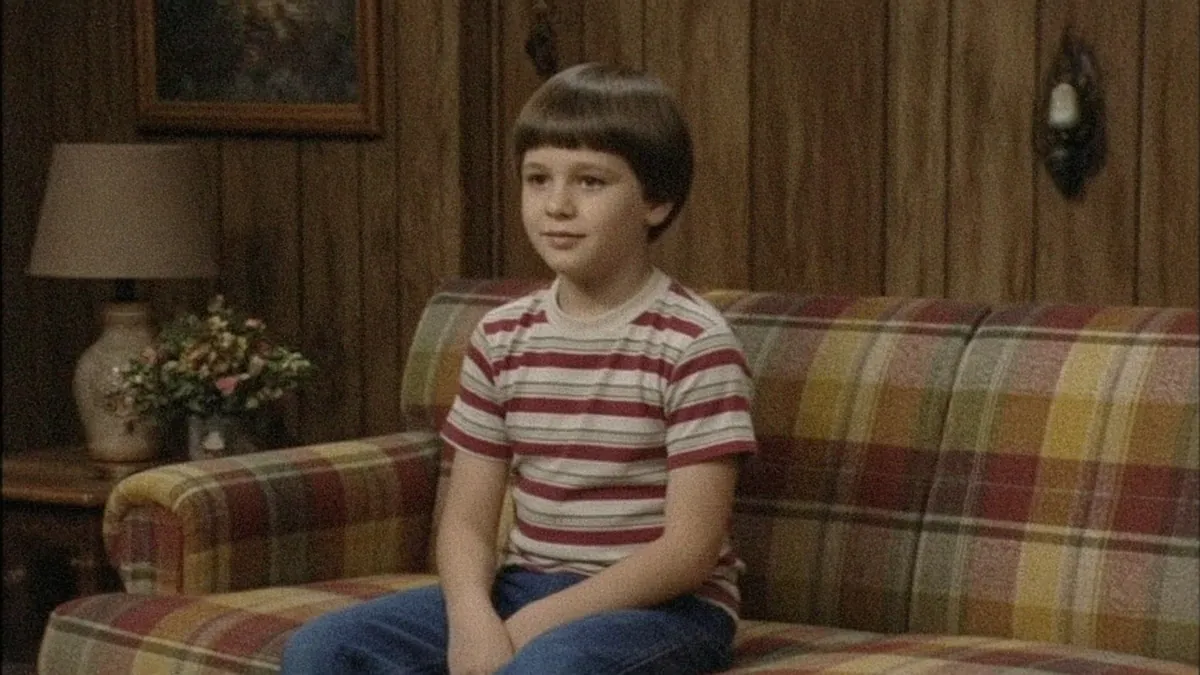
If you grew up watching family sitcoms in the 1980s and 1990s, you probably wondered what happened to the kids on screen. Today most of them are in their forties or fifties, and their lives look much more ordinary than the tabloids suggest.
Rather than single out any one person, here is an honest look at how former child actors from that era typically turned out, the paths they followed, and how the industry has changed to protect young performers.
01Most Left Acting Behind
For most child performers, acting was a chapter rather than a lifelong career. Roles dry up as kids grow, and many former child actors went on to college and ordinary jobs. Teachers, lawyers, real estate agents, nurses, and small business owners are all common second careers.
02Some Moved Behind the Camera
Plenty of former child actors stayed in entertainment but changed roles. Growing up on set gave them a deep understanding of how shows are made, and many became directors, producers, writers, casting directors, or acting coaches for the next generation of young performers.
Most of them grew up to live regular, private lives, and many look back on their acting days with fondness.
03A Few Kept Acting as Adults
A smaller group made the jump to adult roles, often after a few quiet years. Making that transition can be hard because audiences remember them as kids. Many found steady work in theater, voice acting, or supporting roles rather than headline fame.
04The Coogan Law and Protecting Earnings
California’s Coogan Act, first passed in 1939, was strengthened in 2000. It now requires employers to deposit 15 percent of a minor’s gross earnings into a blocked trust account, often called a Coogan account, that the child can access as an adult. New York, Louisiana, New Mexico, and Illinois have similar protections.
05Life on Set Has Changed
Rules for working kids have tightened over the years. In California, minors on set generally need entertainment work permits and limited working hours, and studio teachers often look after their schooling and welfare. Many productions also have more support for mental health and family involvement than in earlier decades.
06Growing Up in Public
Former child actors often say the hardest part was being recognized everywhere while trying to grow up. Today many speak openly about the pressures they faced, advocate for young performers, and share their experiences in interviews, books, and podcasts.
The kids from your favorite old sitcoms mostly grew up to live regular, private lives, and many look back on their acting days with fondness. Thanks to stronger laws and better awareness, today’s young performers have far more protection than those of earlier generations.